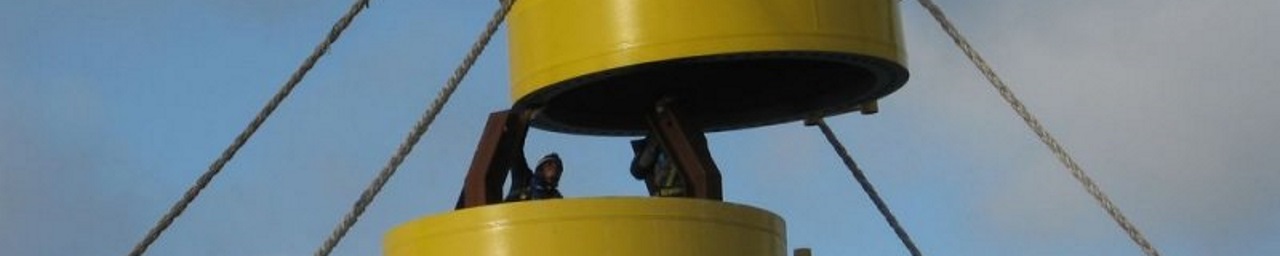
15 Years of Baltic 1: Germany’s First Offshore Wind Farm as a Pioneer for Offshore Expansion
Stralsund/Hamburg/Karlsruhe (Germany) – With Baltic 1, the commercial use of offshore wind energy in Germany began in 2011. Fifteen years later, it is clear that the project has delivered reliable electricity and, above all, valuable insights for planning, construction, and operation—and is regarded as an early reference project for the subsequent expansion of offshore wind power in Germany.
Baltic 1: Technical pioneering work and a reference project for the industry
Fifteen years ago, EnBW commissioned Baltic 1, Germany’s first commercial offshore wind farm. Located in the Baltic Sea, the facility comprises 21 wind turbines with a total capacity of 48.3 megawatts and lies around 16 kilometers off the coast north of Darß/Zingst. Since commissioning, the wind farm has achieved stable wind yields and high technical availability, according to the company. This is equivalent to supplying around 50,000 households with electricity.
The importance of the project lies primarily in its role as a pioneering venture. “The construction and commissioning of Baltic 1 was true pioneering work. We demonstrated that offshore wind farms can be operated economically here, thereby paving the way for further offshore expansion in Germany,” says Peter Heydecker, Board Member for Sustainable Generation Infrastructure at EnBW.
At the time of planning, there was little experience with offshore projects in Germany. EnBW therefore built up its own expertise within a short period and assembled a specialized team.
Baltic 1 is operated from the port of Barhöft near Stralsund. There, a central control room and service base were established on the site of a former military barracks. One of the first technicians on site was Arne Nehls: “I read in the newspaper that EnBW would build Baltic 1 here. As a trained automotive mechanic from the coast, I immediately thought: offshore service technician - that’s my job.” After Baltic 1 was commissioned, he became one of the first service technicians at EnBW and has remained part of the Baltic 1 team ever since.
EnBW intends to continue operating Baltic 1 for another ten years. After that, the company will decide whether to apply for an extension of the operating lifetime or to decommission the turbines.
Offshore wind as a growth driver in EnBW’s portfolio
Today, offshore wind energy is a core business area for EnBW. Baltic 1 marked the company’s entry into a segment that has since been significantly expanded. “We have substantially expanded offshore wind energy since then and will soon operate five wind farms with around two gigawatts of capacity. This business segment continues to be one of EnBW’s most important growth areas,” says Heydecker.
The company currently operates four offshore wind farms with a total capacity of 976 megawatts. At the same time, EnBW is pushing ahead with further expansion: the He Dreiht wind farm is currently under construction in the North Sea and, with a capacity of 960 megawatts, is set to become one of Germany’s largest offshore projects and is expected to come online this summer. In addition, another project, Dreekant, with a capacity of around one gigawatt, is in the planning stage.
Offshore activities are part of a comprehensive investment strategy. By 2030, EnBW plans to invest up to €50 billion, most of it in Germany. As part of its transformation from a traditional energy supplier into a sustainable infrastructure company, the expansion of renewable energy as well as distribution and transmission networks for electricity, gas, and hydrogen form the cornerstones of EnBW’s growth strategy and the focus of its investments.
Source: IWR Online, 06 May 2026