
Development of offshore research in Germany
Offshore wind energy expansion has, to date, been accompanied by extensive research activity. With Germany’s entry into offshore research in 2000, a number of research projects to prepare for offshore wind energy exploitation were in the foreground within the framework of the fourth federal programme of research up to 2005. Particular emphasis was placed on accompanying ecological studies to analyse the possible effects of offshore wind energy on the marine environment.
Research platforms in the North Sea and Baltic Sea (FINO 1-3)
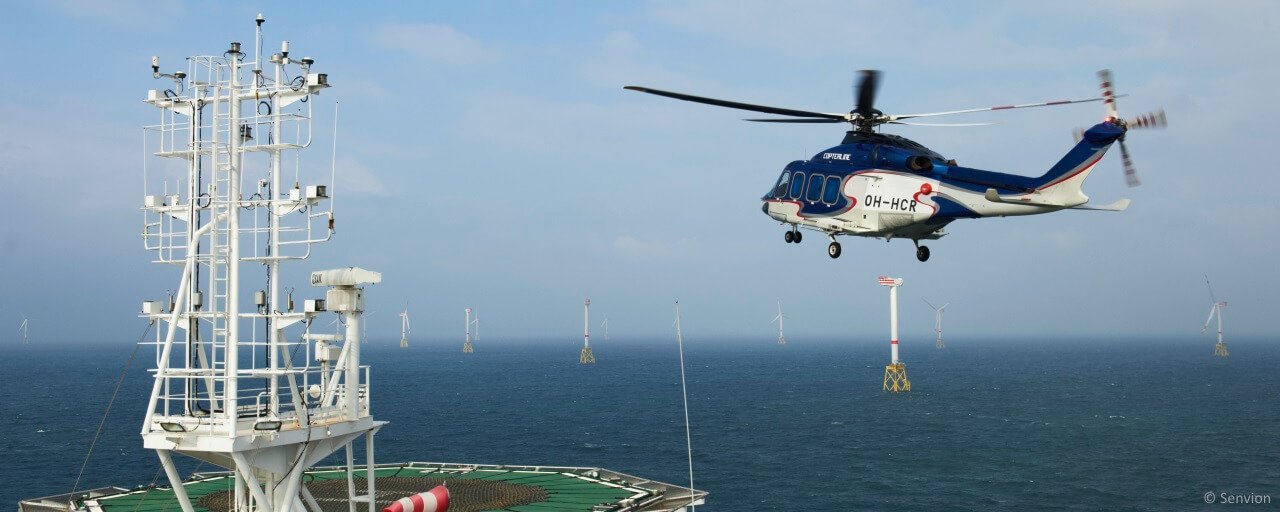
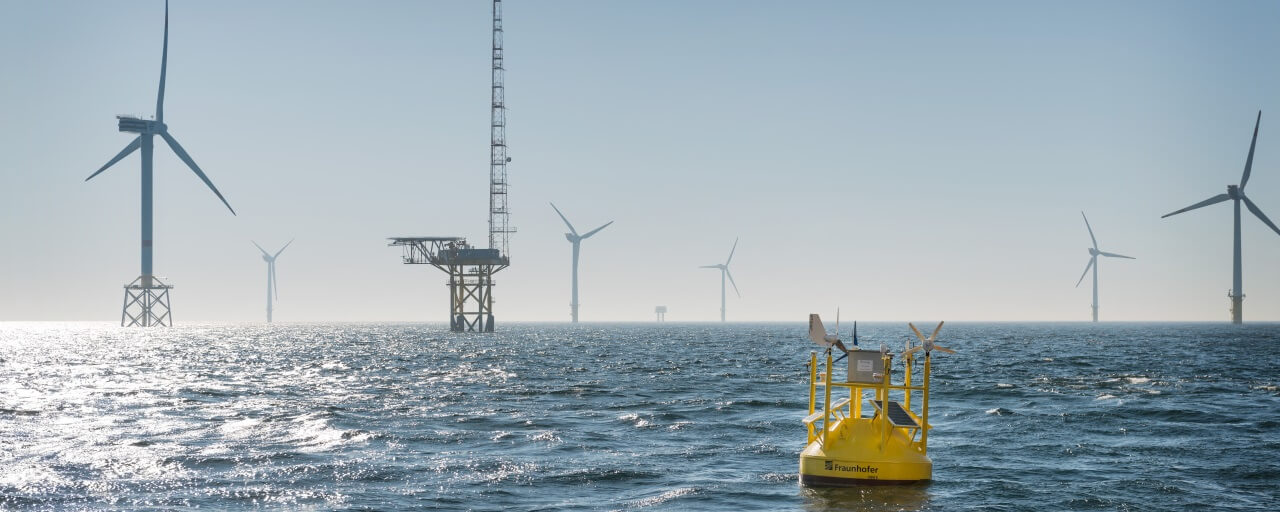
Along with ecological studies, the establishment of research platforms FINO 1-3 was finalised during the first phase of offshore wind energy research activity. FINO 1 became operational in 2003 and FINO 2 followed in the Baltic Sea in 2007 before an additional research platform – FINO 3 – was initiated in the North Sea in 2009. Meteorology, wind climatology and ecology are key research focal points in all three locations. In addition, FINO 1 and 3 examine hydrology issues, while FINO 2 carries out transport engineering studies.
The German Offshore Wind Energy Foundation (Foundation Offshore Windenergy)
The establishment of the Foundation Offshore Windenergy in 2005 was another milestone for offshore wind energy expansion in Germany. A key objective of the Foundation Offshore Windenergy was to pool technical know-how, business risk and financial resources, and to establish alpha-ventus as an offshore test site for Germany‘s first offshore wind farm. The project was approved in 2008 and became operational in 2010 with 6 AREVA 5 MW turbines and 6 REpower 5 MW turbines. Its accompanying research programme, RAVE (Research at alpha ventus), provided important insights for further offshore expansion and turbine operation.
Current offshore wind energy research
There are currently numerous research topics on the agenda. Important focal points of current research include technical issues relating to new development and enhancement of multi-megawatt turbines, development of cost savings potential, logistics and grid integration. In addition, ecological issues relating to sound-optimised, cost-effective erection of offshore wind turbines remains an important research topic.
Research facilities
The number of research facilities active in the offshore sector has increased in parallel with a general increase in research activity. A large number of academic institutions and extramural research facilities are actively involved in offshore research in Germany. Major key facilities include the Fraunhofer Institute for Wind Energy and Energy System Technology (IWES), ForWind, CE WindEnergy SH and the DEWI.